




Despite the setbacks, Simba Toys appealed to the Court of Justice of the European Union, based in Luxembourg, which ultimately led, in November 2016, to the annulment of the EU court’s ruling and the invalidation of the decision. According to the Court, the ability to rotate is related to the technical function. This marked the beginning of the German company’s path to ultimate success.
Re-examining the case, EUIPO, in its decision of June 19, 2017, annulled the contested right to the European Union trademark covering the Rubik’s Cube. According to the Office, the disputed mark possesses characteristics that are essential to achieve the technical effect, and the registration of such a shape is not possible under the relevant Community regulations. Consequently, the disputed trademark was registered in violation of European law.
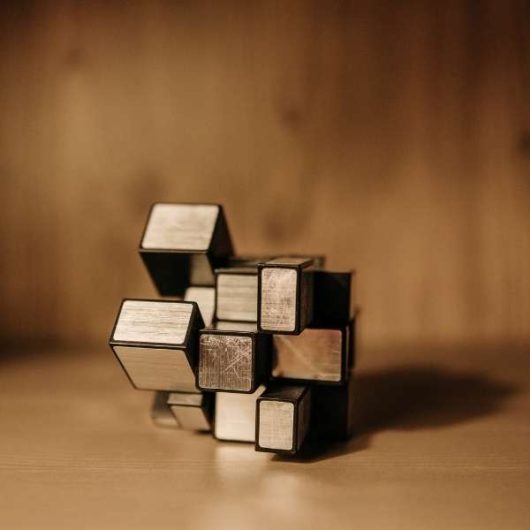
This time, the company belonging to the inventor of the Rubik’s Cube disagreed with this decision and filed a complaint. Ultimately, on October 24, 2019, the Court of Justice of the European Union ruled against the inventor. The Court, similarly to the first-instance body, stated that the characteristics of the Rubik’s Cube, i.e., the cubic shape, are closely related to its grid structure, which is formed by black lines, and to the function of being able to rotate individual smaller cubes. Therefore, in the case of the disputed trademark, it is possible to physically separate the individual, smaller cubes using the mechanism inside. Without this possibility, the cube would remain just an ordinary block, lacking individual character. As a result, the Court stated that the Rubik’s Cube cannot be a trademark.
Fill out the form, and we will get back to you within the next 1-2 business days with a preliminary quote.


