




The story began in 2020 when Lifestyle Equities CV and Lifestyle Licensing BV (“Lifestyle”), the owners of the registered trademark depicting a polo player on horseback under the “Beverly Hills Polo Club” brand, filed a lawsuit against Amazon Tech and its affiliated entities, namely Amazon Seller Services Pvt Ltd (“ASSPL”) and Cloudtail India Pvt Ltd (“Cloudtail”). The Lifestyle companies accused Amazon of using a deceptively similar logo on clothing sold under the “Symbol” brand on the Indian e-commerce platform Amazon.in. The Beverly Hills Polo Club trademark, inspired by the luxurious Beverly Hills district in Los Angeles, features a distinctive polo horse with a rider holding a polo mallet and is registered in 91 countries, including India, the United States, the United Kingdom, and Germany. The brand was introduced to the Indian market in 2002 and quickly gained recognition as a symbol of luxury and prestige. The issue was that Amazon’s products with the “Symbol” logo were being sold for only 10% of the price of the original Beverly Hills Polo Club products, which, according to the court, could mislead consumers. Judge Prathiba M. Singh noted in her ruling that “the logo used is virtually indistinguishable” from the original trademark.
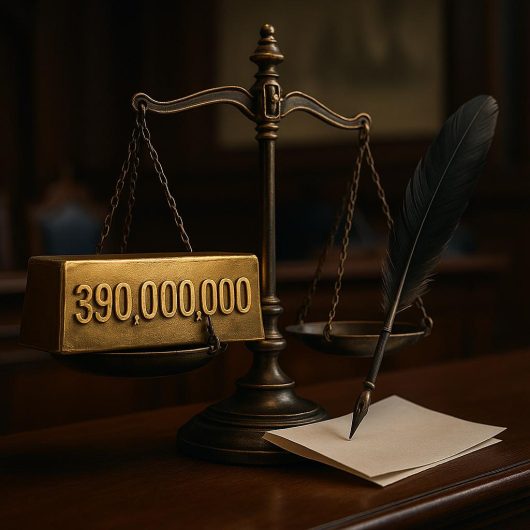
Lifestyle presented a series of arguments to justify the high damages sought from Amazon Tech. The company claimed that there were sufficient grounds in the lawsuit indicating Amazon Tech's involvement in trademark infringement activities. It emphasized the close ties between Amazon Tech, Cloudtail, and ASSPL, suggesting that they functioned as a single, cohesive commercial entity. Lifestyle also argued that Amazon Tech's absence from the proceedings was deliberate – the company was aware of the case but consciously chose not to defend itself. The plaintiffs maintained that they had presented sufficient evidence and expert opinions to support the damages claim, and the calculation of damages included lost royalties, increased advertising expenses, and the impact of the infringement on brand value.
On the other hand, Amazon Tech strongly defended itself against the attribution of responsibility, emphasizing that there was no evidence of its direct involvement in the infringement, and that Cloudtail – as the actual seller of the disputed clothing – made independent decisions regarding the use of the disputed logo, admitted to the infringement, and accepted the associated financial consequences. Amazon's defense highlighted the lack of presentation of concrete evidence that Amazon Tech managed the process or that the company directly benefited from it, as well as the fact that the sudden increase in the amount of the claim and the expansion of the demands after the conclusion of the evidentiary proceedings violated the company's right to a fair defense, depriving it of the opportunity to present counterarguments. The dispute over whether all these entities actually constituted a single economic entity was a key point of contention and formed the basis for both procedural strategies.
The Delhi High Court deemed the case exceptional, despite the general principle of not staying the execution of monetary judgments. Crucially, there was no evidence or proof directly linking Amazon Tech to the trademark infringement. The court noted the massive increase in damages without a corresponding amendment to the lawsuit, which violated the principles of procedural fairness. The improper conduct of the ex parte proceedings due to errors in serving summons was also an issue. However, the most important factor was the finding that a judgment against Cloudtail had already n issued, and Amazon Tech’s separate liability was not proven. The court stated that requiring Amazon Tech to deposit a security would be a “complete travesty of justice” and stayed the execution of the judgment, setting a significant precedent in cases involving e-commerce platforms. The court’s decision sends an important signal to the entire industry – not only are precise agreements and procedures required, but also fair proceedings that give parties a real opportunity to present their case.
Fill out the form, and we will get back to you within the next 1-2 business days with a preliminary quote.