




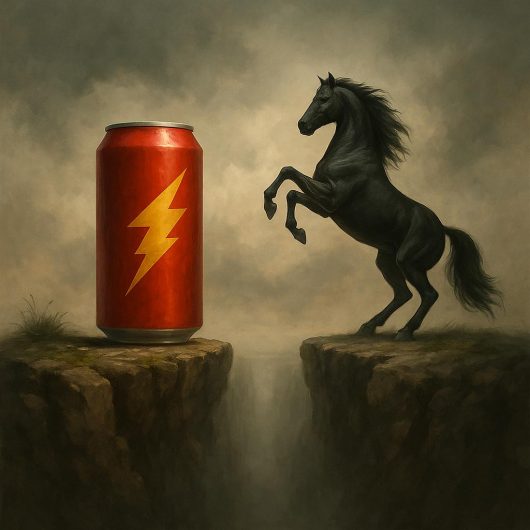
For years, Ferrari has protected its distinctive trademark – the silhouette of a prancing horse. In 2016, when the company learned of an application to register the WEE POWER trademark, which depicted two horses forming the letter "W" along with the inscription, it filed an opposition, citing the risk of misleading consumers. Despite the opposition, in 2024, the Malaysian trademark office approved the registration. Ferrari took the case to court, emphasizing the reputation of its brand and the general nature of the words "Wee" and "Power." However, the court dismissed the claims, finding that the two trademarks differ visually and conceptually, and that the industries in which the parties operate – luxury cars and energy drinks – are not competitive.
In her reasoning, the judge emphasized that the protection of a trademark requires a detailed analysis of the market context and the real risk of confusion. The mere fact that the graphic elements are somewhat similar is not enough to establish infringement. It was also important that the word "Wee" in the beverage's name came from the founder's surname, not from the English term "small." In the court's view, the average consumer would not confuse these products, and the intention to copy the Ferrari trademark was not proven.
A similar approach is found in Egyptian jurisprudence, where trademark protection depends on the overall impression it creates on the average consumer. The courts there require that the comparison include the entirety of the trademark, as well as an analysis of the industry and target group, and protection applies only to goods within the same category. Even within the same class of products, differences in the nature of the goods and consumer groups are relevant. Analyzing the Ferrari case in this light, it is difficult to argue that there is a risk of confusion between an exclusive car and an energy drink.
The decision of the Malaysian court aligns with the international trend of balancing the protection of well-known trademarks with the right to fair competition. The ruling emphasizes that a brand’s reputation is not an automatic shield against every similar graphic or name. The key is the actual risk of confusion, assessed in the market context. The verdict may become a point of reference for courts in other countries, especially in disputes where global corporations try to restrict the activities of smaller, local companies in situations where there is no real competition.
Fill out the form, and we will get back to you within the next 1-2 business days with a preliminary quote.