




jak-zastrzec-wzor-przemyslowy

How to protect an industrial design before a competitor copies it

The appearance of a product very often determines its market success. A distinctive shape, line, proportions, or visual details can differentiate an offer more than technical parameters. At the same time, these are the elements that are easiest to copy if they are not properly protected. In practice, many companies only react when a "very similar" product from a competitor appears on the market. At this stage, it is often too late. We explain how to register an industrial design at the right time, what steps are crucial, and what mistakes most often lead to the loss of protection before it even begins.

What exactly is an industrial design?

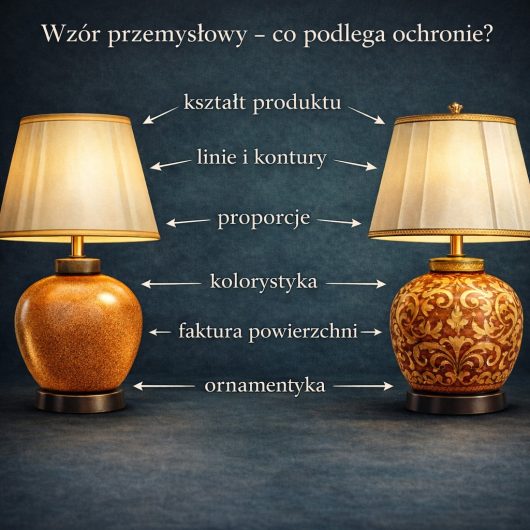
Before we consider how to register an industrial design, it is worth knowing what this term means. An industrial design protects the external appearance of a product, i.e., what is visible to the user. The following can be covered by protection:

* the shape of the product
* lines and contours
* proportions
* color scheme
* surface texture
* ornamentation

Why do competitors copy designs faster than you might think?

Copying the appearance of a product does not require access to technical documentation. All that is needed is:

  • a photograph
  • a sample of the product
  • observation at a trade fair
  • publication on the Internet

If the design has not n protected, the competition can:

  • introduce a very similar product
  • bypass technical protection
  • take advantage of the market effect without incurring design costs

The biggest threat is therefore not blatant “counterfeiting,” but rather products that are almost identical, which erode recognizability and visual advantage.

How to register an industrial design step by step

Step 1 – Assessing what exactly needs to be protected

At the beginning, it is necessary to precisely define:

  • which elements of the design are key
  • what constitutes a distinctive feature
  • which details are variable and which are constant

Protecting the entire product is not always sensible. Sometimes it is better to protect:

  • a specific form of the housing
  • the front of the product
  • a characteristic detail

The scope of protection depends directly on what is shown in the application.  

Step 2 – Preparing visual materials

An industrial design is protected by images, not by description. These define the scope of protection. The materials should:

  • be consistent
  • clearly show the form
  • not contain random elements
  • show the product from several perspectives

Every detail visible in the illustration may be significant in a potential dispute.  

Step 3 – Checking the novelty of the design

An industrial design must be new and have an individual character. This means that it cannot:

  • be identical to a previous design
  • create the same overall impression

At this stage, it is worth checking whether similar forms have already n registered. This allows you to assess the risk and, if necessary, correct the design before filing.  

Step 4 – Filing the application

After preparing the materials, the design is filed with the appropriate office. From this moment:

  • the date of priority is established
  • the design is formally protected
  • the registration procedure begins

It is the filing date that determines who has the right to the design, even if the competition introduces a similar product later.

How long does the protection last and what does it offer in practice?

An industrial design can be protected for a maximum of 25 years, in five-year protection periods. The very registration itself:

  • deters potential imitators
  • facilitates responding to infringements
  • strengthens the negotiating position
  • increases the value of the product and brand

In practice, the mere existence of protection is often enough for the competition to give up
introducing a similar product.

The most common mistakes leading to the loss of industrial design protection

The most common ones include:

  • reporting after the product is revealed
  • protection that is too narrow or accidental
  • lack of consistency in visual materials
  • the belief that “copyright is enough”
  • postponing the decision until entering the market

Each of these mistakes increases the risk that competitors will take over the visual effect without legal consequences.

Why act before a problem arises?

Industrial design protection works best as a preventive measure. Once a product is already being copied, the room for maneuver is significantly reduced. Early registration:

  • prevents legal imitation
  • organizes the product strategy
  • provides comfort for further development

Summary

You already know how to register an industrial design and that it is worth doing so before the product reaches consumers, and not when it starts to be copied. The timing of the application and the quality of the visual materials, which define the scope of protection, are of key importance.Protecting the appearance of a product is not a marketing addition, but an element of business strategy, especially in industries where design determines the customer’s choice.

A quick and informed decision to register an industrial design allows you to maintain an advantage before the competition has time to exploit it.
Do you want to register an industrial design? We will help – click and check


Learn more:

Utility model vs. industrial design – what are the differences and how can you protect them
How to patent a product? A step-by-step guide
All rights reserved. What does it mean for entrepreneurs?

Table of contents:

You might also be interested in this:

Utility model vs. industrial design – what are the differences and how can you protect them?

Share:

Facebook
Twitter
LinkedIn

Share:

Start character scan now

Fill out the form, and we will get back to you within the next 1-2 business days with a preliminary quote.

    Jaki znak mamy zbadać?


    Wybierz „znak słowny”, jeżeli chcesz zbadać oznaczenie słowne, i wpisz je w okienku poniżej. Możesz podać tylko jedno oznaczenie.
    Wybierz „znak graficzny lub słowno-graficzny”, jeżeli Twój znak ma określoną postać graficzną. W okienku poniżej wpisz elementy słowne, jeżeli takie pojawiają się na grafice, i dodaj plik zawierający grafikę znaku. Możesz przesłać tylko jeden plik o maksymalnym rozmiarze 1mb.

    Podaj szczegółowo, dla jakich towarów lub usług będzie używany Twój znak. W okienku poniżej wyszukaj odpowiedni termin, a następnie kliknij na niego, by dodać towar lub usługę do listy. Możesz dodać jednocześnie wiele towarów lub usług. Przed przejściem do następnego kroku upewnij się, że na liście znajdują się wszystkie towary lub usługi – później nie będzie można jej zmodyfikować!

    jakich produktów lub usług dotyczy rejestracja