




How much does a patent for an invention cost, and how long does it take to obtain?

The cost of a patent and the time it takes to obtain it are two questions that almost always arise when an invention begins to have real market value. However, many simplifications and myths have accumulated around these issues. Some expect a one-time fee and a quick decision, while others fear costs amounting to hundreds of thousands and a procedure that drags on endlessly. In reality, the cost of a patent is not a single amount, and the waiting time depends on many factors, some of which can be anticipated during the planning phase of protection.
TikTok without a well-known trademark status
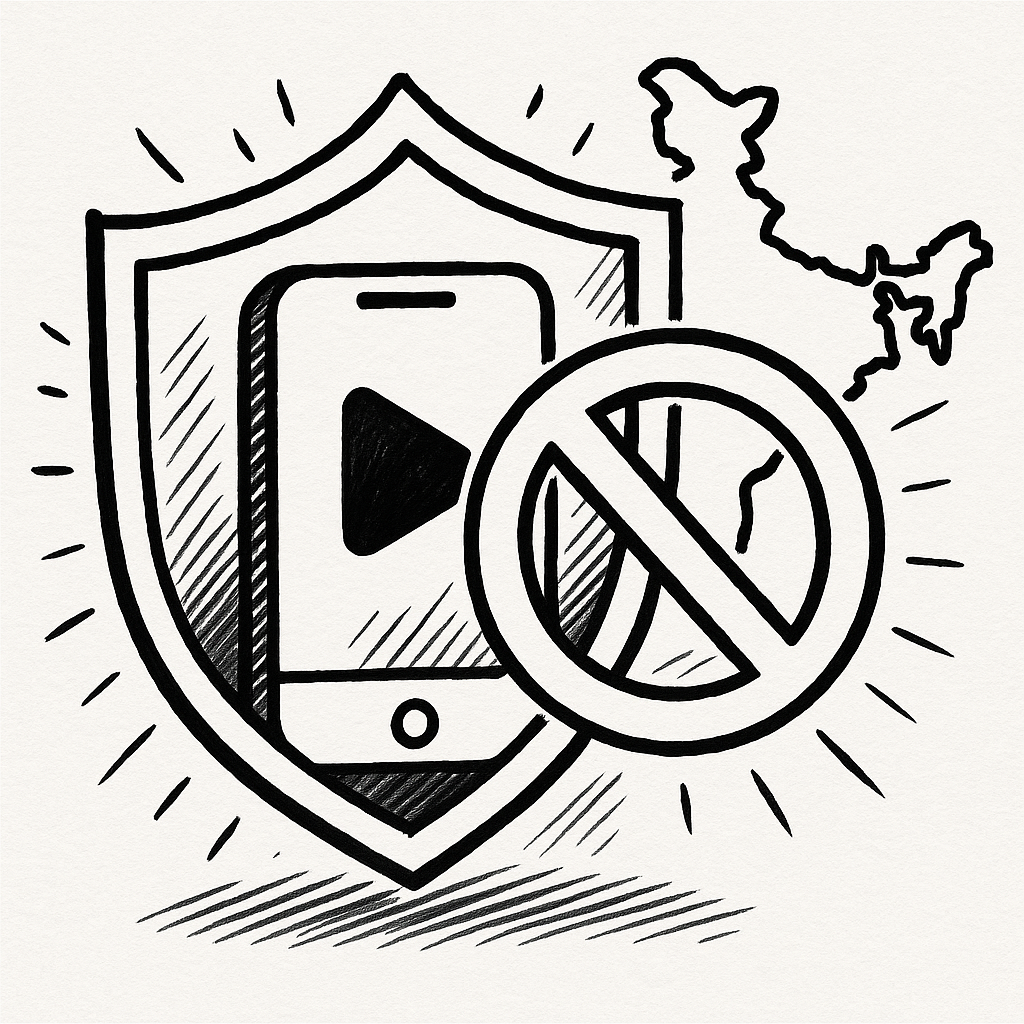
The Bombay High Court has rejected TikTok’s application for recognition as a well-known trademark in India, upholding the decision of the Registrar of Trademarks. This landmark decision sheds light on the complex relationship between intellectual property law and geopolitical considerations in an era of increasing international tensions.
Trademark infringement – what to do if someone uses your trademark?

A trademark only makes sense if it can be effectively enforced. In practice, many entrepreneurs invest time and money in registration, and then don’t know how to react when competitors start using a similar name, logo, or mark. Some companies ignore the problem out of fear of conflict, while others react too aggressively, making mistakes that weaken their position.
Amazon wins $390 million battle
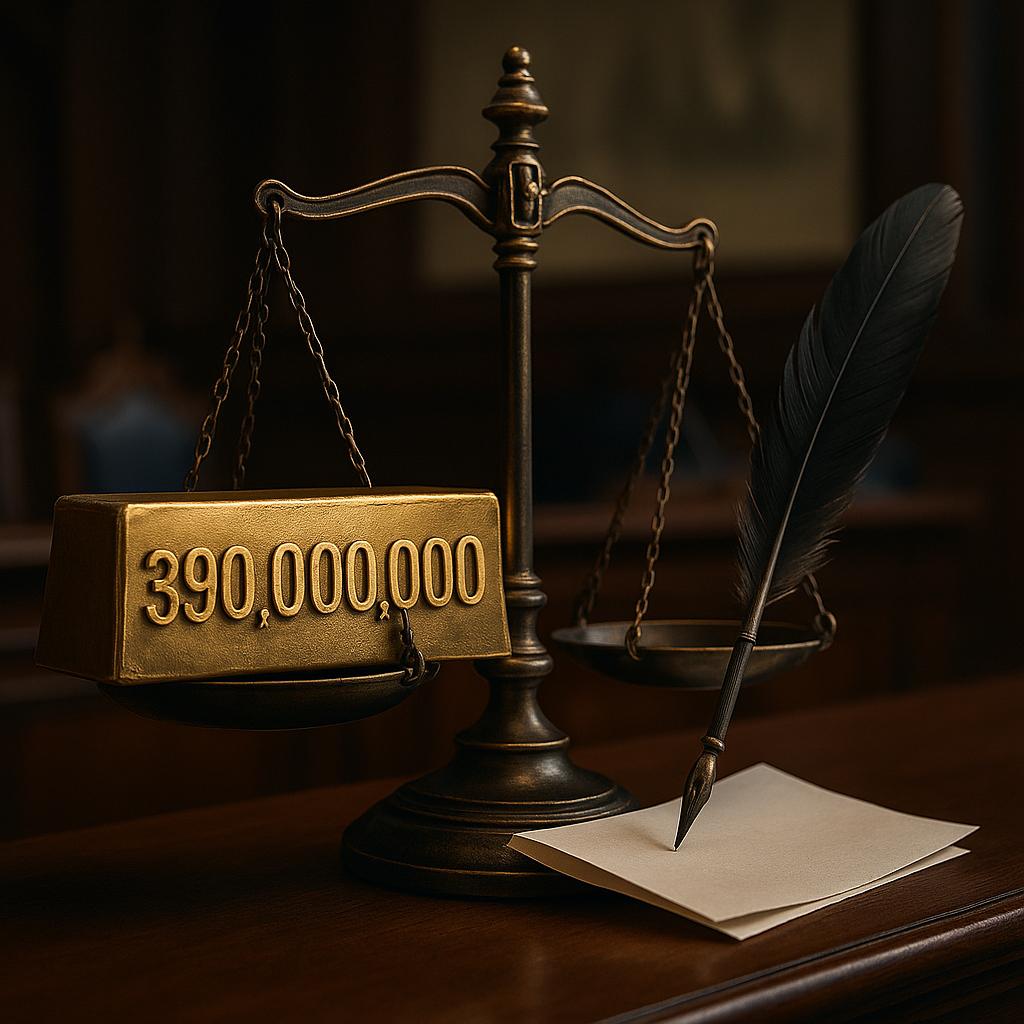
Trademark lawsuits can be complex, especially when large corporations and substantial financial claims are involved. A recent example is the decision by the Delhi High Court, which granted a request by Amazon Technologies Inc. (“Amazon Tech”) to stay the execution of a judgment favorable to the opposing party for trademark infringement, amounting to as much as $390 million. This decision highlights serious procedural irregularities in the conduct of the case and the lack of evidence of Amazon Tech’s direct involvement in activities infringing on the “BEVERLY HILLS POLO CLUB” trademark.
A revolution in UK trademark law following the SkyKick ruling
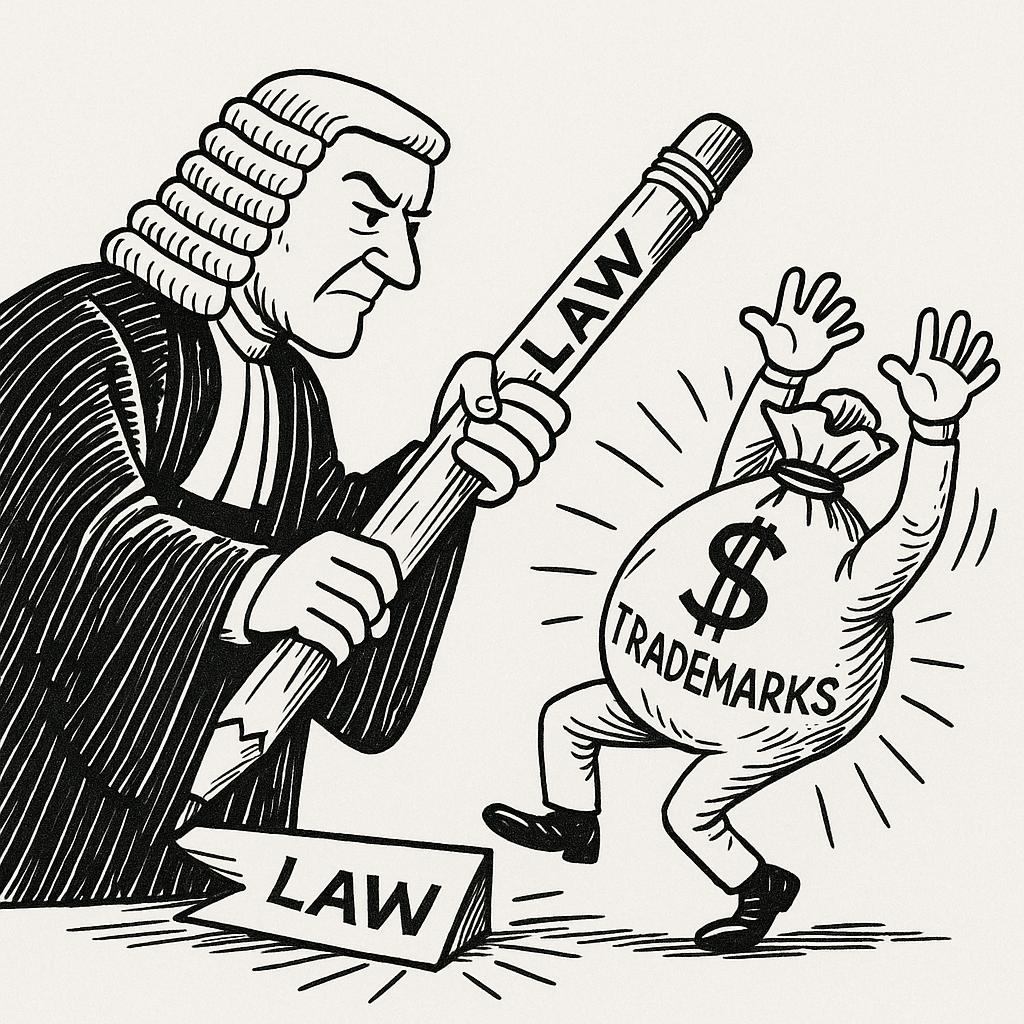
The UK Intellectual Property Office (UKIPO) has introduced groundbreaking changes to the practice of examining trademark applications, responding to the high-profile Supreme Court decision in the case of SkyKick UK Ltd against Sky Ltd., which we wrote about some time ago on the blog (and in which we predicted a change in approach in this area).
The new guidelines, contained in Practice Amendment Notice (PAN 1/25), fundamentally change the approach to assessing the specification of goods and services in trademark applications. The changes primarily address the practice of submitting overly broad specifications in bad faith, when the applicant does not have a genuine intention to use the trademark for all the declared categories.
Ferrari vs. energy drink
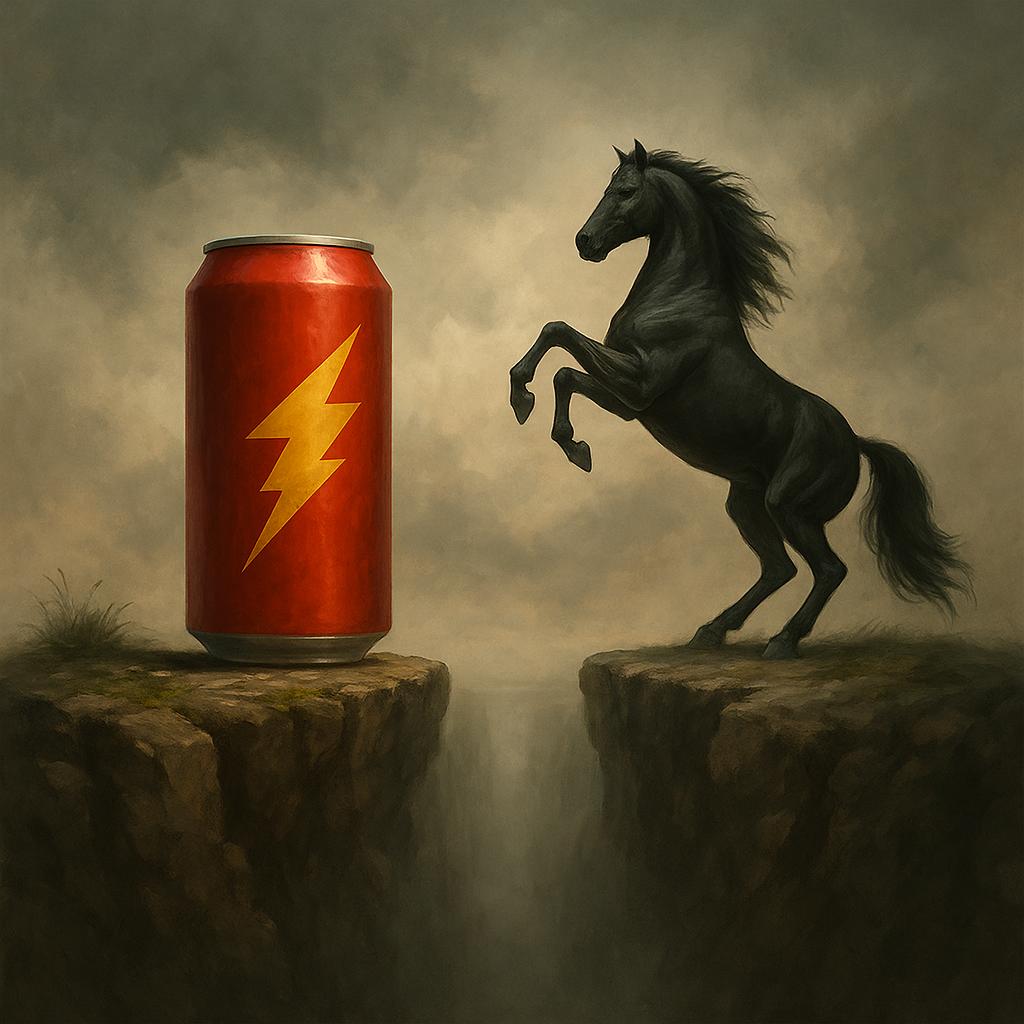
In May 2025, the Malaysian Federal Court issued a ruling that could mark a turning point in the understanding of trademark infringement. The case, in which the Italian automotive giant Ferrari faced off against the local energy drink manufacturer Sunrise Mark Sdn Bhd, demonstrated that even a world-renowned brand does not always win in court based solely on its reputation or partial similarity of logos.
Rubik’s Cube without protection

Since its creation in 1974, the Rubik’s Cube has become not only one of the most famous toys in the world but also a symbol of pop culture, selling hundreds of millions of copies. Its distinctive appearance – a cube divided into smaller squares – is recognizable to several generations of users. However, in the world of intellectual property law, the recognizability and iconic status of a product do not guarantee its protection as a trademark. The latest ruling by the Court of the European Union in the case of Spin Master Toys UK v. EUIPO – Verdes Innovations shows that the boundaries of this protection are clearly defined, and the functionality of the design can effectively prevent a monopoly on its shape.
Dispute over “Columbia”

The conflict between Columbia Sportswear and Columbia University illustrates how even a long-standing, peaceful coexistence of brands based on the same word can turn into a dispute if there is a lack of clear rules and discipline in their application. At the heart of the matter is the question of how to define the boundaries of using a common term in order to avoid misleading consumers.
“Pride” is not an exclusive trademark
The Indian Supreme Court dismissed Pernod Ricard’s appeal in the high-profile trademark dispute, ruling that the company cannot claim exclusive rights to the use of the word “Pride” in the whisky industry. This ruling clearly demonstrates that commonly used, descriptive terms in commerce cannot be easily monopolized unless they are protected by separate registration.
Trademark registration: costs, requirements, processing time

Registering a trademark is one of the most important decisions in terms of brand protection. Entrepreneurs often ask not only about the formalities but also about the duration of the procedure. The answer is not straightforward, as the length of the process depends on many factors, such as the correctness of the application, the formal examination by the office, and any potential objections from entitled parties.
In practice, the trademark registration process takes from a few months to as long as several months, depending on the progress of the individual stages.