




How to patent a product? A step-by-step guide
Protecting an invention through a patent is one of the most effective ways to safeguard technical innovations. A patent grants the exclusive right to commercially or professionally exploit the invention within a specific territory, usually a given country, provided that statutory requirements are met and the application undergoes the relevant procedure at the patent office. Simply believing that a product is innovative is not enough; it must meet specific requirements.
Trademark – what is it and how to protect it effectively?
A trademark is one of the fundamental tools for protecting a brand in commercial transactions. Its main purpose is to distinguish the goods or services of one company from those of other companies in the market. In practice, a trademark becomes the company’s calling card – an element that customers associate with the quality, experience, and reputation of a particular business.
All rights reserved. What does this mean for entrepreneurs?

The phrase “all rights reserved” appears on websites, in email footers, on marketing materials, in terms and conditions, and in corporate documents. For many entrepreneurs, it is such an obvious element that it is used automatically, without much thought. The problem is that the meaning of this phrase is often misunderstood, and its real impact on the legal protection of a business is often overestimated.
Below, we explain what the phrase “all rights reserved” actually means, what it gives to an entrepreneur, what it does not provide, and when its use makes sense, and when it is just an empty message.
What should I do if someone infringes my copyrights on social media?

BP, non-exclusive. Distinctive trademarks.
Recently, we wrote about a dispute between T-Mobile and an insurance startup, which concerned the use of the color pink by the American company in an advertising campaign conducted in Germany.
As can be seen, disputes regarding the protection of a specific color or color combination are currently very popular in the field of intellectual property law. This time, the decision was not favorable for the entitled party, specifically the BP gas stations, which are characterized by yellow and green colors.
Warning against fake reminders, decisions, invoices, and summonses from the Patent Office of Poland, EUIPO, and WIPO
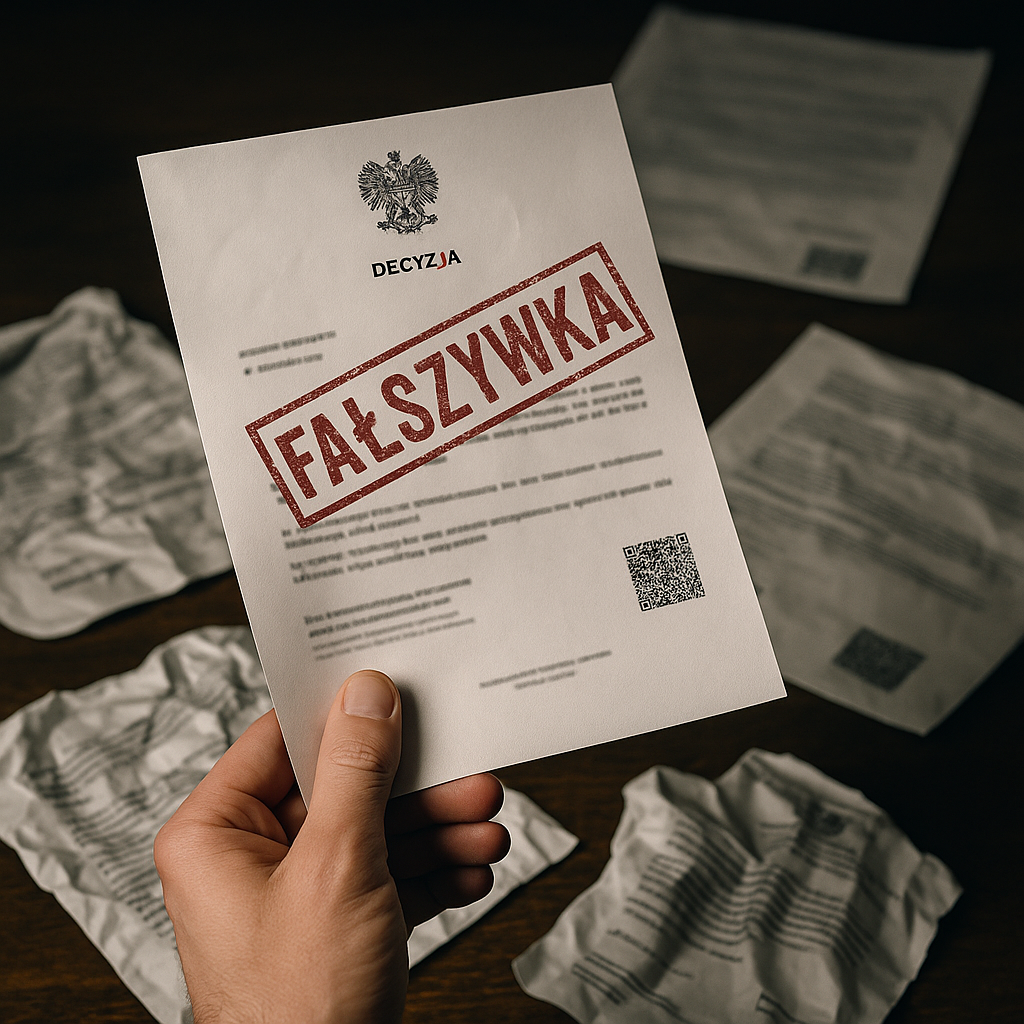
We would like to inform you that there have n further cases of fraudsters attempting to obtain funds from clients of the Patent Office of the Republic of Poland. The fraudsters are sending fake decisions, not only in paper form but also to email addresses, requesting payment for the grant of protection, with the amounts requested being specified in Polish zloty. The email containing the decision includes the text “Sent from the UPRP server for electronic procedural communication. More information: uprp.gov.pl”, and the link directs to the genuine website of the office, making the message appear very credible and further misleading recipients. In addition, the aforementioned fake decisions are accompanied by a letter modeled on the documents issued by the Patent Office of the Republic of Poland confirming the grant of a right of protection for a trademark (certificates of protection). These actions constitute an attempt to defraud trademark applicants
Rubik’s Cube as a trademark?
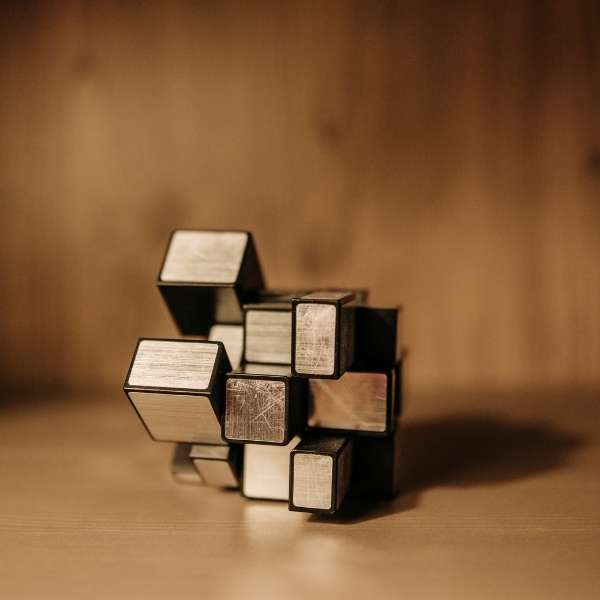
The Rubik’s Cube, a logical puzzle invented by Ernő Rubik, is known almost worldwide. However, not everyone is aware that the intellectual property rights to the puzzle are managed by the British company Seven Towns, and the Rubik’s Cube itself was the subject of a long-running Community legal dispute.
One could say that the beginning of the dispute over the cube was the decision issued in 1999 to register the cube as a Community (now European Union) trademark for the category of so-called three-dimensional puzzles in favor of the aforementioned company, Seven Towns.
Subsequently, in 2006, the German toy manufacturer Simba Toys filed an application for the cancellation of the protection right for the above-mentioned trademark, arguing that the disputed trademark contains a technical solution that involves rotation, and this, in turn, can only be the subject of a patent, and not a trademark. This application was rejected by the European Union Intellectual Property Office (EUIPO). Disagreeing with this decision, the German company appealed to the Court of Justice of the European Union, which also rejected the appeal in November 2014 (T-450/09). The basis for the rejection of the appeal was the fact that the Rubik’s Cube does not contain a technical function that would preclude its registration as a trademark.
How to become a Patent Attorney?
Marijuana as a trademark?

Staying within the theme of green trademarks, it is worth referring to the latest ruling of the Court of the European Union, which ruled on the possibility of registering a Community figurative trademark depicting cannabis, commonly known as marijuana.
The case began in 2016 when the applicant, Santa Conte, applied to the European Union Intellectual Property Office (EUIPO) to register a Community trademark. There would be nothing unusual about this, if not for the fact that the figurative trademark depicted marijuana leaves and the text “Cannabis Store Amsterdam,” and included goods and services such as the provision of beverages and food, beverages, and food products.
Using copyrighted material belonging to others on YouTube